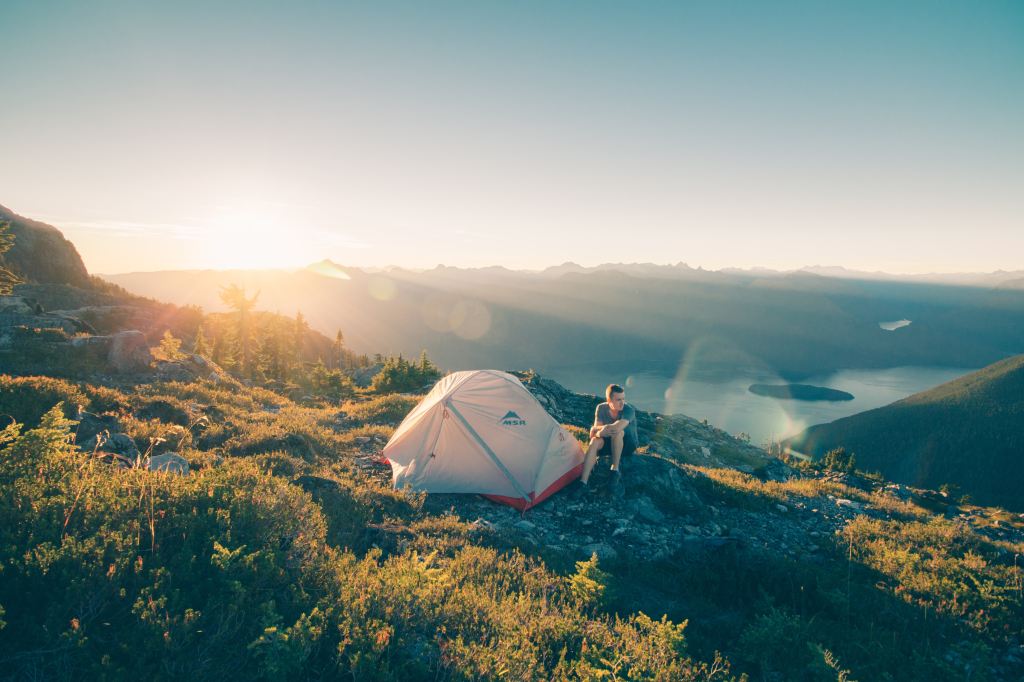
Camping is a great way to escape the hustle and bustle of daily life, connect with nature, and spend quality time with friends and family. However, for beginners, setting up a campsite can seem daunting. This beginner’s guide will provide some tips and tricks to help you set up a campsite and have a successful camping trip.
Choose the Right Campsite
When selecting a campsite, there are a few things you should consider:
- Make sure the campsite is legal and safe to camp in.
- Choose a campsite that meets your needs. Do you want a campsite with amenities like restrooms and showers, or are you looking for a more remote experience?
- Consider the location of the campsite – Do you want to be near hiking trails, fishing spots, or other attractions?
Bring the Right Gear
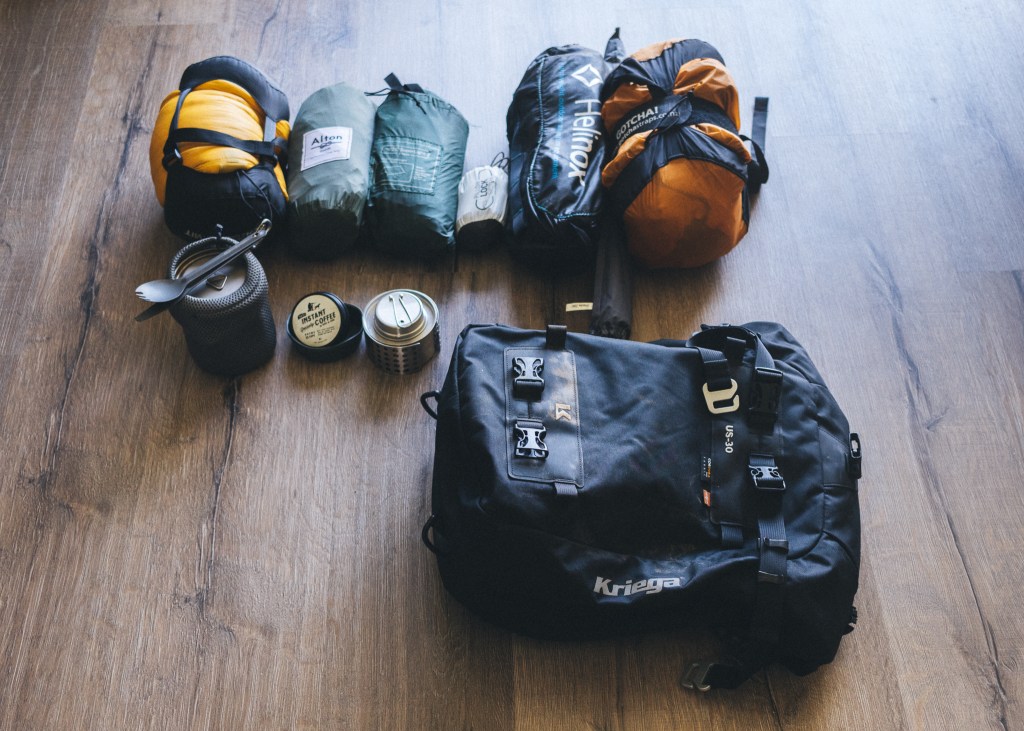
The right gear is essential for a successful camping trip. A good tent, sleeping bags, and sleeping pads are all necessary. Additionally, you will need a stove, cooking utensils, and a cooler to store your food. Remember to bring plenty of water and a water filtration system if you plan on drinking water from natural sources. Finally, bring clothing and footwear for the scheduled weather and activities.
Set Up Your Campsite
Once you arrive at your campsite, it’s time to set up camp. Choose a flat and level area for your tent, and clear the area of any debris or rocks. Make sure to properly stake your tent to keep it secure. Set up your stove and cooking area away from your tent to prevent accidents. Finally, if you are in locations with animals like bears, hang your food from a tree or use a bear-resistant canister to keep wildlife away from your campsite.
Practice Leave No Trace Principles
When camping, it’s important to practice Leave No Trace principles to minimize your impact on the environment. Take out all of your rubbish, and dispose of it properly. Use established fire rings or a camp stove to prevent damage to the surrounding area. Respect wildlife and their habitat by observing from a distance and not disturbing their natural behavior.
Be Prepared for Emergencies
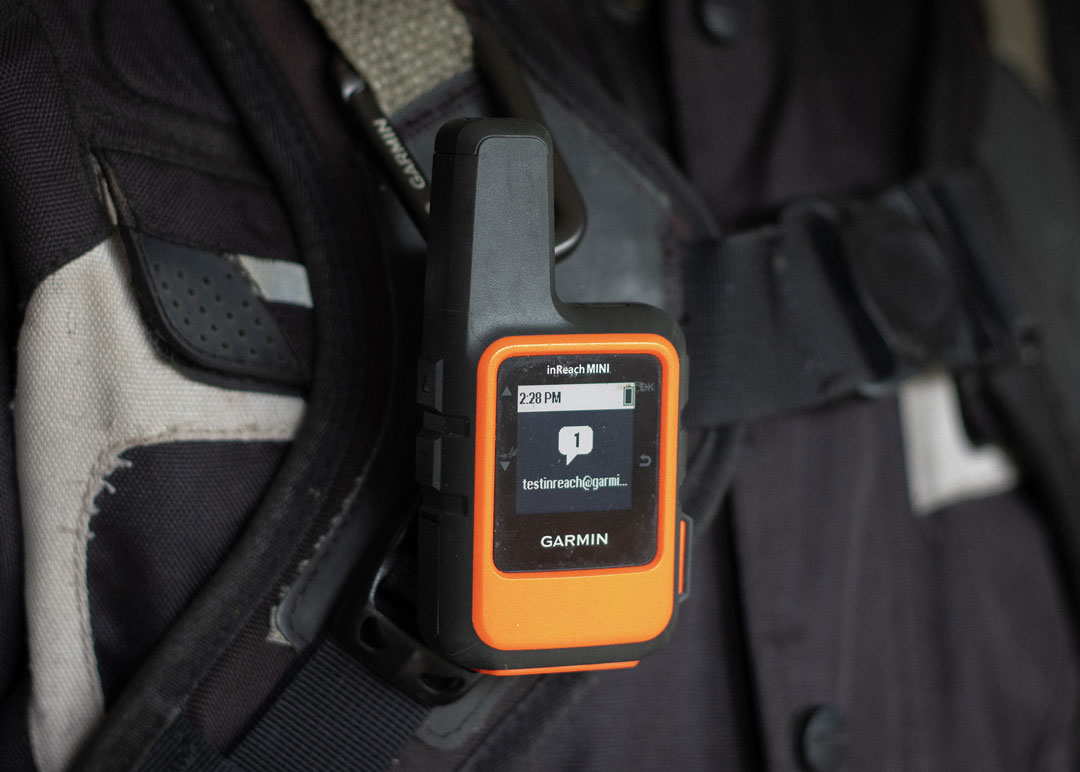
Finally, it’s essential to be prepared for emergencies when camping. Bring a first aid kit and know how to use it. Have a plan for communication and know the location of the nearest hospital or medical facility. In case of inclement weather, have a plan to shelter in place or evacuate if necessary.
Following these tips should ensure you have a successful and enjoyable camping trip. Remember to always respect the environment and leave your campsite better than how you found it.

Hello fellow adventurer, if you enjoy the content and want to support what I do? Feel free to buy me a cup of coffee occasionally. It’s a simple way to keep this caffeine-fuelled adventure going.
 Man and Bike Adventures